Small and medium-sized enterprises (SMEs) across the UK are rapidly experimenting with AI tools like ChatGPT and Copilot to enhance productivity, improve customer operations, and streamline administrative tasks. Events such as the SME News coverage and the upcoming Southern Enterprise Awards 2026 highlight how AI adoption is becoming central to competitive advantage for many businesses. However, alongside enthusiasm for these technologies, a critical question arises: What governance is necessary to ensure responsible and effective use of AI in the workplace?
The Current Landscape: SMEs and AI Experimentation
Many SMEs are in the early stages of integrating AI tools like ChatGPT and Copilot into daily workflows. According to recent data from AI Global Media, a sizeable proportion of businesses have staff using these tools informally to draft emails, generate reports, or automate repetitive tasks.
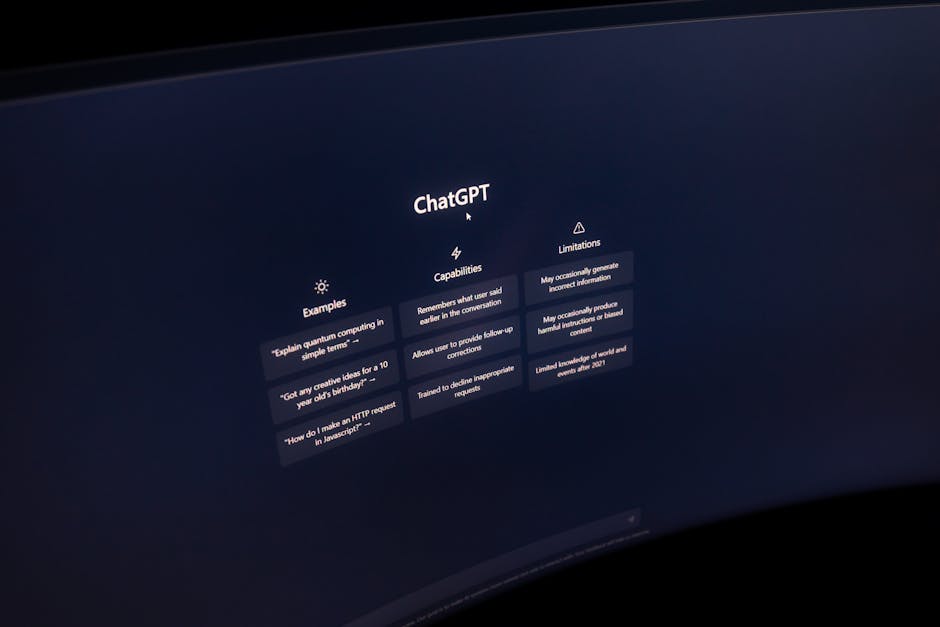
Though the intent is usually to boost efficiency, a common pattern emerges: staff adopt AI without redesigning existing processes. Often, manual approvals, reporting structures, and handoffs remain unchanged. In this context, technology use outpaces governance and process adaptation, creating risks related to data security, quality assurance, and compliance.
What Changed in the Workflow?
Before discussing governance frameworks, we need to answer a fundamental question I always ask: What changed in the workflow?
For example, if your team uses ChatGPT to draft customer support responses, has the approval or quality-check step been modified to account for potential AI errors? If Copilot is writing code snippets, do you have processes to review and validate them for security vulnerabilities? Without clarifying these workflow changes, simply banning or allowing ChatGPT misses the point.
Key Risks Addressed by AI Governance
Effective AI governance, particularly around tools like ChatGPT, focuses on mitigating several core risks:
- Data Risk: ChatGPT processes prompts sent to it externally, meaning sensitive customer or business data could be inadvertently exposed. SMEs must ensure employees understand what information is safe to share. Quality and Consistency: AI-generated content can contain inaccuracies or inconsistent messaging that impact brand trust or compliance. Ownership and Accountability: Clear policies are needed on who owns AI outputs, who reviews them, and how edits or approvals are documented. Regulatory Compliance: AI use must align with data protection laws (e.g., GDPR) and industry-specific regulations.
Developing a Robust ChatGPT Policy for SMEs
Here is a checklist to develop a practical ChatGPT policy tailored for SMEs:
Define Acceptable Use Cases: Specify which tasks are appropriate for ChatGPT and which are not. For example, using ChatGPT to draft training templates may be fine, but generating contract terms without legal review is a no-go. Specify Data Handling Rules: Clearly state that staff must not input confidential or personal data into ChatGPT prompts. Offer training on anonymising data before use. Embed Review and Approval Steps: Update workflows to include mandatory human checks of AI outputs before sharing externally or finalising documents. Assign Ownership and Accountability: Designate responsible staff or teams to oversee AI use, policy updates, and compliance monitoring. Communicate Regularly: Use internal newsletters, training sessions, and intranet posts to keep teams informed of best practices and changes.Training Existing Staff vs Hiring New Specialists
There’s a temptation to think AI introduces complexity that only specialised hires can handle. Yet, many SMEs find greater value in training existing employees who understand core business processes deeply.

Training should focus on:
- Understanding AI capabilities and limitations Recognising compliance and data sensitivity issues Incorporating AI outputs into existing approval workflows effectively
Bringing AI expertise in-house is valuable, but it should complement—not replace—upskilling operational teams.
Project Leadership for AI and Automation
Successful AI governance often hinges on clear project leadership. SMEs should appoint an AI and Automation Lead or a cross-functional steering committee responsible for:
- Assessing new AI tools and their fit within existing operations Driving process redesign to integrate AI with minimal disruption Monitoring usage against governance policies Providing ongoing training and updates to teams Measuring impact on efficiency, accuracy, and risk exposure
According to insights shared by SME News and demonstrated at the Southern Enterprise Awards 2026, companies with clear AI project leadership outperform others in adoption and risk management.
Bridging the Gap Between AI Usage and Process Redesign
Many SMEs fall into the trap of treating AI as a tool plug-in rather than a catalyst for redesigning workflows. For example:
- Automated report generation should trigger new review cycles focusing on AI accuracy rather than existing manual checks. Approval templates can be auto-generated by AI, but decision authority and accountability must be reassessed. Customer operations that leverage AI chatbots require updated training for frontline staff to handle exceptions and AI failures.
Governance frameworks must encourage teams to map “what changed in the workflow” and not just “what tool did we add.”
Case Example: Using ChatGPT for Customer Support Drafts
Consider a mid-sized customer services team using ChatGPT to draft common email responses. The workflow could be:
Step Description Governance Concern 1. Draft Generation Agent inputs anonymised customer query into ChatGPT to get draft response. Ensure no personal or sensitive data is included; data risk. 2. Review Agent reviews AI draft, adjusts tone and factual accuracy. Quality assurance; human oversight mandatory. 3. Approval For sensitive cases, team lead reviews before sending. Maintains accountability and compliance. 4. Logging All AI-assisted messages logged with flags indicating AI use. Supports audits and continuous improvement.This approach balances efficiency gains with governance safeguards that SMEs need.
Why AI Governance Matters for SMEs
While large corporations often have formal AI ethics https://smenews.digital/why-uk-employers-are-training-existing-staff-to-lead-ai-and-automation-projects/ boards and advanced compliance teams, SMEs must adopt pragmatic, scalable governance to avoid pitfalls such as:
- Data breaches triggered by careless input of sensitive information into ChatGPT Legal exposure from AI-generated content that misrepresents facts Operational disruption due to inconsistent AI outputs without clear review processes
By embedding AI governance that addresses these risks, SMEs can confidently embrace tools like ChatGPT and Copilot as productivity enablers rather than liabilities.
Conclusion: Building a Practical AI Governance Framework
In summary, the governance SMEs need for staff using ChatGPT at work is not just about setting restrictive policies but about thoughtfully redesigning workflows, training existing staff, and appointing clear project leadership. Key elements include:
- Clear ChatGPT policies defining acceptable uses and data handling rules Embedding mandatory review and approval processes for AI outputs Training operational teams on AI’s strengths and limitations Establishing ownership of AI use through dedicated project leadership Bridging the gap between AI adoption and process redesign
By following this approach, SMEs showcased by SME News and recognised at the Southern Enterprise Awards 2026 can transform AI from a risky experiment into a core driver of operational excellence.