If you've been using FinancialContent for following the markets, you may have encountered a common question: Can I export my watchlist? Whether you want to back up your list, move it to another platform like MarketBeat, or use services like CloudQuote, portability matters. In this detailed guide, we'll demystify watchlist export options, explain how syndicated market news feeds work, highlight delayed stock quote timing risks, and offer tips on reading stock quote tables—covering price, change, and percentage moves—with real examples.
Understanding Your FinancialContent Watchlist
FinancialContent specializes in delivering syndicated market data—news articles, quotes, and financial metrics—for websites and applications. Its watchlist feature lets users track their preferred tickers dynamically. However, unlike some consumer-faced brokerage platforms, FinancialContent's watchlist functionality and exportability depend heavily on how the interface is set up by your hosting website or service.
What Is a Watchlist?
- A watchlist is a personalized collection of securities (stocks, ETFs, mutual funds) that you want to monitor closely. It typically shows real-time or delayed quotes, key news, and performance. Your watchlist can include a variety of tickers, like AMZN (Amazon), which recently traded at 245.99 (-1.05, -0.43%).
Watchlists are essential for active investors and market enthusiasts—but what if you want to move or back up your list?
Can You Export Your FinancialContent Watchlist?
The short answer: It depends. FinancialContent mainly provides data feeds and minimal account features, with watchlist storage usually happening client-side or through the host site. Export options are not universally built https://markets.financialcontent.com/stocks/article/abnewswire-2026-6-29-best-diy-mini-splits-2026-minisplitreviewcom-releases-2026-rankings-reveals-new-diy-hvac-king in.
Common Scenarios
Website-Hosted Watchlists: Platforms using FinancialContent's data embed watchlist features, but export capabilities (CSV, Excel, JSON) are site-dependent. Manual Ticker List: If export isn’t available, the easiest workaround is manually copying your ticker symbols and recreating your watchlist in other apps. Third-Party Watchlists: External services like MarketBeat offer built-in export or sync features that might accept your FinancialContent watchlist tickers. CloudQuote API Access: Providers like CloudQuote allow custom solutions; businesses can request API feeds to programmatically manage watchlists and exports.In essence, FinancialContent itself does not currently provide a dedicated “Export Watchlist” button on standard user-facing tools, partly because its core model is as a syndicator—not a retail platform. To move your list, you'll often need to rely on your website's features or manually handle tickers.
The Importance of Watchlist Portability
Why does watchlist portability matter?
- Data Control: You own your ticker list and can prevent data loss. Platform Freedom: Try or switch platforms that better fit your workflow. Backup: Keep an offline copy for record-keeping or offline research.
Being able to export watchlists also empowers investors to create multi-source mashups—combining syndicated market news feeds with personalized alerts and quotes.
How Syndicated Market News Feeds and Stock Quotes Work
Your watchlist data often derives from syndicated feeds offered by FinancialContent and similar providers. Understanding their nature helps make sense of what you see:
1. Syndication Explained
- Syndicated feeds distribute the same content (like quote tables, news headlines) to many outlets simultaneously. FinancialContent licenses data including delayed stock prices, ticker metadata, earnings reports, and more. Sites that use FinancialContent feed content tag quotes with provider lines, e.g., “Data provided by FinancialContent” to comply with attribution rules.
2. Timing Risks with Delayed Quotes
Most syndicated feeds provide delayed stock quotes, typically lagging 15-20 minutes for exchanges like NASDAQ or NYSE. This delay is due to data licensing costs and restrictions.
- Why delay matters: Real-time quotes require expensive subscriptions; syndicators default to delayed pricing for consumer-facing sites. Risk Example: An investor might see AMZN 245.99 (-1.05, -0.43%) but this price was accurate 15 minutes ago—current trading could differ significantly. Best Practices: Always check the timestamp and provider line before making decisions based on quotes.
3. Reading Quote Tables: Price, Change, and Percent
Watchlist quote tables typically present:
Ticker Last Price Change Percent Change AMZN 245.99 -1.05 -0.43%Key elements explained:
- Last Price: The most recent price at which the stock traded. Change: Difference in price compared to the last trading session's close (can be positive or negative). Percent Change: Change expressed as a percentage relative to the prior close, putting moves in context.
Pro tip: Look for timestamp indicators and provider attribution lines under tables to confirm data currency and source.
Tips for Managing Your FinancialContent Watchlist Effectively
Here are best practices to optimize your experience and prepare for potential watchlist transfers:
Compile a Manual Ticker List: Periodically copy your tickers into a text or spreadsheet file to ensure you have an offline record. Use Reliable Third-Party Tools: Platforms like MarketBeat provide enhanced watchlist management, export options, and extensive market news coverage. Check for Export Options on Your Host Site: Some websites layer export or print features atop FinancialContent data—look for "Export to CSV" or similar commands. Leverage API Providers: If you’re technically inclined or run a business, services like CloudQuote offer programmable access to quotes and watchlists across multiple providers. Regularly Verify Provider Lines. Always ensure the quotes you reference display proper attribution—for example, “Quotes delayed 20 minutes. Data provided by FinancialContent.” This is crucial for compliance and data accuracy.
Conclusion
If you ask, “Is there a way to export my FinancialContent watchlist?” the quick takeaway is that direct export is usually not natively supported by FinancialContent itself. You will likely need to manually copy your ticker lists or rely on your hosting website or an external app like MarketBeat for portability and additional features.
Being aware of the nuances of syndicated market news feeds and delayed stock quotes helps you interpret your watchlist data accurately—recognizing the price, change, and percent change columns with trusted provider attribution is critical in avoiding timing risk based on stale quotes.

For those seeking a more integrated or programmable approach, Commercial feed providers such as CloudQuote offer APIs that can store and export watchlists, supporting greater control and flexibility in today’s fast-paced markets.
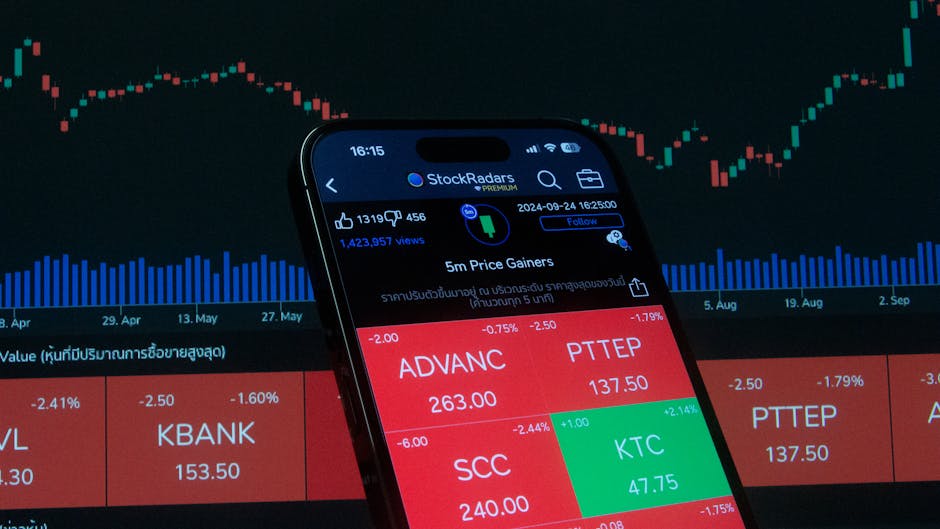
Ultimately, maintaining your watchlist as a manual ticker list or migrating it to platforms with explicit export features ensures your market data stays organized, portable, and ready for your investing journey.
Published by a Former Newsroom Copy Editor and Market Content Analyst with 12 years of experience working with syndicated finance feeds, quote widgets, and compliance notes for delayed pricing.